Free mini-course · seven small steps

First Week With
Your Doodle

A little less overwhelm. A practical plan for your puppy and the people caring for them.

No account, payment or countdown. Read in order, skip to what you need, and repeat a lesson whenever it helps.

Start the course Get the sleep log →
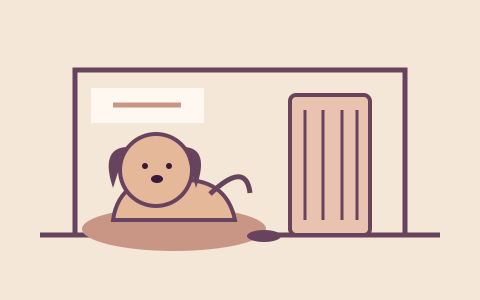
Illustration of a puppy beside a bed in a simple, gated roomLesson 1 of 7

Make one room feel like home

Your first job is not to show the puppy everything. Prepare a manageable space and let them explore without a crowd of visitors. Dogs Trust recommends removing accessible hazards and introducing the home a room at a time.

One useful action

Walk through the space at puppy height. Move reachable cables, sharp objects and things you do not want chewed. Check gates and doors, choose a resting spot, and name the person supervising arrival.

Before moving on

Which part of the room still needs a change before the puppy enters?
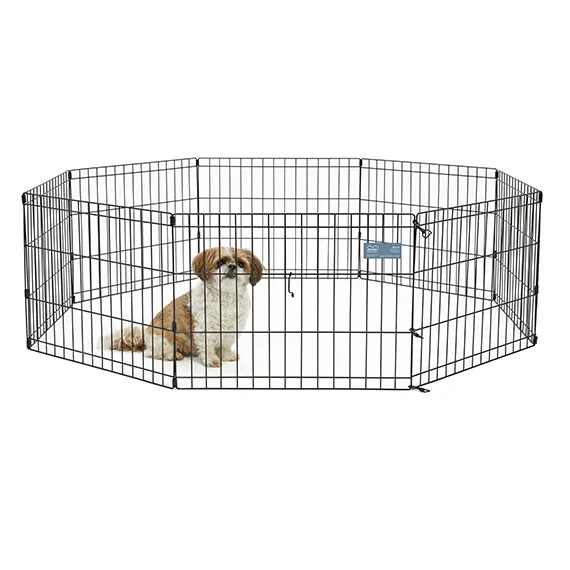
A gate is a boundary, not a substitute for supervision. If you already have other animals, make a separate, supervised introduction plan.

Make your homecoming plan

Source: Dogs Trust: first day at home.

Next lesson →
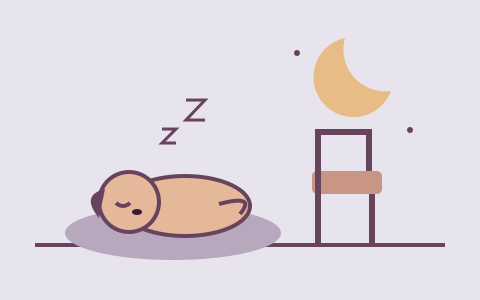
Illustration of a resting puppy with a nearby caregiver chair and moonLesson 2 of 7

Build the overnight handoff

The new sleeping arrangement is a big change. Dogs Trust describes starting with the puppy nearby, or sleeping near their intended bed, then changing proximity gradually. Expect individual needs and nighttime toilet care; a day number is not a deadline for independent sleep.

One useful action

Choose tonight’s sleeping location and write down who responds first, who takes the next turn, and who handles morning care. Record one actual settling or waking observation in the sleep log.

Before moving on

Can both caregivers describe tonight’s plan without guessing?

A crate must be introduced comfortably before relying on it. Respond to care needs or distress; the log is not a reason to leave a worried puppy waiting.

Open the printable sleep log

Source: Dogs Trust: first nights.

Next lesson →
Illustration of an organized puppy space with bowls and a bedLesson 3 of 7

Keep care instructions together

Dogs Trust suggests keeping the familiar food and feeding routine initially while a puppy settles. Bring the current written instructions into one place so each caregiver starts from the same information.

One useful action

Record the exact food, existing meal instructions, supply location and who handles each part of the day. Write down questions for your veterinarian instead of changing several things at once.

Before moving on

What would a backup caregiver need to ask you right now?

This course does not prescribe food amounts, medical care or vaccination timing. Your veterinarian’s individual plan takes priority.

Write a care handoff

Source: Dogs Trust: first day at home.

Next lesson →
Illustration of a puppy in a supervised household spaceLesson 4 of 7

Make toilet care a shared routine

Dogs Trust recommends regular toilet opportunities, rewarding after the puppy finishes outside, and cleaning accidents without punishment. Use household notes to make responsibilities clear, rather than treating an accident as misbehavior.

One useful action

Name the person offering the next toilet opportunity. Put cleaning supplies where that person can find them, and note what happened before any accident so you have useful information to discuss.

Before moving on

Does your plan still work during a meeting, school run or visitor arrival?

There is no fixed holding-time rule here. Ask your veterinarian about safe outdoor access and any health concerns.

Assign daytime responsibilities

Source: Dogs Trust: first day at home.

Next lesson →
Illustration of a quiet puppy resting areaLesson 5 of 7

Protect time to rest

Rest belongs in the day as well as the night. Dogs Trust recommends a quiet bed and leaving a puppy space when they retreat to it. A household routine should help you notice when the puppy settles, not fill every waking moment with tasks.

One useful action

Identify one source of disturbance near the resting area. Adjust the household setup and record what you observe. Keep activity and introductions manageable; you do not need to finish every lesson today.

Before moving on

What can your household stop doing to make rest easier?

Do not try to exhaust a puppy into sleeping or use confinement as punishment. Sudden changes or apparent illness need veterinary advice.

Record a rest observation

Source: Dogs Trust: first day at home.

Next lesson →
Illustration of a brush, comb and grooming appointment cardLesson 6 of 7

Start a comfortable coat-care plan

VCA recommends daily checks for tangles and debris, and daily brushing for long or curly coats. Choose equipment and a manageable routine with your groomer. A puppy’s coat label alone does not tell you which tools or haircut interval fit.

One useful action

Ask a groomer to demonstrate gentle coat checking on your dog and explain what to do if the comb catches. Record handling concerns and questions in an appointment card. Stop rather than forcing an uncomfortable session.

Before moving on

Which technique do you want a professional to show you?

Do not cut mats out with scissors. Extensive matting needs professional care; irritated skin needs veterinary attention.

Prepare your grooming questions

Source: VCA: grooming and coat care.

Next lesson →
Illustration of a planning card beside coat-care equipmentLesson 7 of 7

Review the week, then simplify

Today is a planning review, not a test the puppy must pass. Compare the routine you intended with the routine you could actually provide. Keep the parts that helped and arrange support for gaps.

One useful action

Write down one thing that worked, one thing to make easier, and one question for a professional. Confirm next week’s caregivers and update the budget using real quotes for any services you need.

Before moving on

What is the smallest useful change you can make next week?

Seven completed lessons do not mean a puppy is ready for a workday alone. Make a separate comfort-based separation and care plan.

Plan next week’s care costs

This lesson is an editorial household-planning exercise.

You don’t need a perfect first week.

You need a routine you can explain, observations you can share, and support when your puppy needs it. Keep the worksheets handy and revisit the lessons that fit your household.

Review checkboxes are not saved or sent to us. They reset when the page reloads. Illustrations are original explanatory drawings, not photographs of assessed dogs.

Share your doodle’s story →

Sources and review

Source pages checked October 2, 2026. Codex AI editorial review; no veterinary review claimed.

All tools and worksheets →

THE DOODLED STORE

Good finds for this guide.

Explore products related to this topic. Check sizes and product details for your dog.

Explore the store

Some shopping links on product pages may earn us a commission. How our links work.